The Pakistan Telecommunication Authority (PTA) has told licensed telecom operators to stop supplying internet bandwidth to unlicensed operators and distributors. The direction was reinforced at a meeting at PTA headquarters in Islamabad on 12 November 2026, and reported in the press on 12 and 13 November.
The move is aimed at the supply chain behind internet connections, not at ordinary users. Licensed operators may now supply bandwidth only to operators that hold a valid PTA licence. Anyone selling internet without a licence is being cut off at the source. If you buy your home internet from a licensed provider, this change should not affect your connection. If you buy from a small unlicensed seller, it might.
What Happened at the PTA Meeting
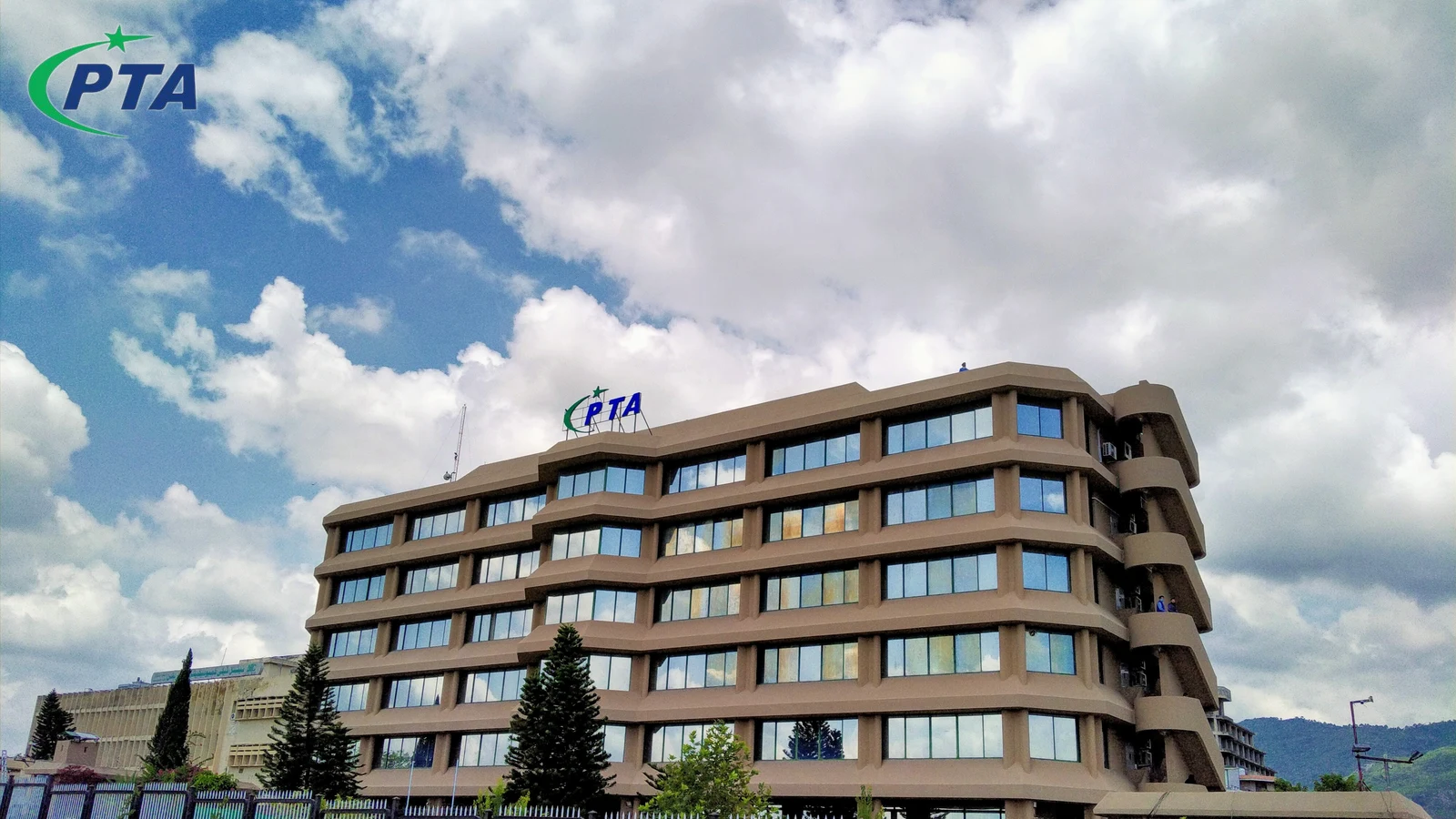
The PTA held a meeting with licensed Long Distance International (LDI), Fixed Local Loop (FLL) and Class Value Added Services (CVAS) operators at its headquarters in Islamabad on Thursday, 12 November 2026. The meeting was chaired by Dr Khawar Saddique Khokhar, the PTA’s Member for Compliance and Enforcement. Its purpose was to reinforce regulatory compliance and address the unauthorised provision of internet services.
The PTA’s message at the meeting was simple: the rules already exist, and licensed operators must follow them. The meeting was not the announcement of a new law. It was the regulator reminding the industry that supplying bandwidth to unlicensed entities is prohibited, and that it expects the licensed operators to enforce that in their own dealings.
What the Rule Actually Says
The core rule is that LDI and FLL licensees may provide internet bandwidth, including configured internet packages, exclusively to PTA-licensed operators. They are prohibited from supplying IP bandwidth, panel services, E1 connections, Domestic Private Leased Circuits (DPLCs) or similar services to unlicensed entities or distributors.
In plain terms, there are two kinds of companies in this chain. The first kind holds a licence and is allowed to buy bandwidth wholesale and sell internet to customers. The second kind has no licence, buys bandwidth from a licensed company anyway, and resells it. The PTA is telling the licensed companies to stop feeding the second kind.
Two supporting rules were also repeated at the meeting. First, internet service bills and receipts must be issued by the relevant FLL or Class Licensee, depending on the arrangement that applies. That makes the billing chain traceable: the name on your bill should be the licensed company actually responsible for the service. Second, Internet Services Class Licensees are permitted to provide services only to end users. They cannot offer wholesale bandwidth for resale to other parties, so a small licensed provider cannot become a back-door supplier for unlicensed sellers.
The District Class Licence: A Legal Route for Small Providers
The meeting also highlighted the District Class Licence framework, which is the legal route for smaller providers. Under this framework, cable operators licensed by the Pakistan Electronic Media Regulatory Authority (PEMRA) and last-mile service providers can obtain bandwidth from FLL licensees.
This matters because many of the unlicensed sellers are small local operators: the neighbourhood cable operator or the small firm that wires up a street or a housing block. The PTA is not telling them to shut down. It is telling them to get a District Class Licence, which is designed for exactly their size of operation, and then buy bandwidth legally from an FLL licensee.
For a small provider, the choice is now clearer than before. Get the district licence and keep operating legally, or keep operating without one and lose the bandwidth supply that the whole business depends on. The PTA has not said how many unlicensed providers exist, or named any company, so there is no list of who is affected.
Why the PTA Is Doing This
Unlicensed internet sellers create three problems. The first is consumer protection. If your provider has no licence, there is no regulator to complain to when the service fails, the speed drops, or the bill is wrong. A licensed provider can be held to account by the PTA. An unlicensed one cannot.
The second is money. Licensed operators pay licence fees and taxes, and follow the rules on quality and billing. Unlicensed sellers skip those costs, which lets them undercut licensed providers unfairly while contributing nothing to the system they depend on.
The third is traceability. When bandwidth passes through unlicensed hands, it becomes harder to know who is providing a service, who is billing for it, and who is responsible when something goes wrong. The billing rule in this directive is aimed directly at that problem: the bill must come from the licensed company, not from a middleman with no licence.
None of this is new policy. The PTA is enforcing rules that already exist, and the meeting was a reminder to the licensed operators that they are part of the enforcement. If a licensed operator keeps supplying an unlicensed seller, it is the licensed operator that is breaking the rule.
What This Means for Ordinary Internet Users
The most important point for readers is what this does not do. The reports do not say that any customer will lose service, and they do not say what will happen to prices. No change to the monthly price or speed of an existing home or mobile package has been announced, and this directive does not change the packages sold by Jazz, Zong, Ufone or PTCL.
If you buy internet directly from a licensed provider, whether that is a mobile operator, PTCL, or a licensed broadband company, nothing in this directive changes your service. The bandwidth your provider buys is already supplied under a licence, and your provider is already the company named on your bill.
The people who may notice a change are customers of small unlicensed sellers. If your internet comes from a neighbourhood operator that has no licence, that operator may lose its bandwidth supply, or may have to get a District Class Licence and start billing under a licensed company’s name. In the short term, that could mean disruption if the seller cannot or will not get licensed. In the longer term, it should mean a service that is traceable and accountable.
What to Check About Your Own Connection
There are three simple checks worth doing, especially if your internet comes from a small local provider rather than a big operator.
First, look at who issues your bill. Under the PTA’s rules, the bill or receipt should come from the relevant FLL or Class Licensee. If your bill comes from a company name you cannot find anywhere, or from a person with no company name at all, that is a warning sign. Ask your provider which licensed company supplies its bandwidth and issues its bills.
Second, ask whether your provider holds a licence. A legitimate small provider should be able to tell you that it holds a District Class Licence, or that it operates under an FLL licensee. If the provider cannot answer, or refuses to answer, that is worth knowing before you pay for another month in advance.
Third, do not pay for long advance packages from an unlicensed seller right now. If a seller offers a big discount for six months or a year paid upfront, and it has no licence, the risk is that its supply gets cut off and the money is gone. A licensed provider is the safer choice for advance payments.
What the Reports Do Not Say
Honesty requires stating what is not known. The reports do not describe any penalties for operators that keep supplying unlicensed sellers, and they do not give a compliance deadline. They do not name any unlicensed company, and they do not say how many unlicensed providers exist. They also do not describe any incident that prompted the move, so readers should not assume a particular provider or scandal is behind it.
That means the practical effect will depend on enforcement. A direction given at a meeting only changes things if licensed operators actually stop supplying unlicensed sellers, and if the PTA follows up on those that do not. Until that follow-up is visible, the directive is best understood as a warning with a clear legal route attached: get a District Class Licence, or lose your supply.
Frequently Asked Questions
Has the PTA cut off internet for ordinary users?
No. The directive targets the supply of bandwidth to unlicensed operators and distributors. Customers of licensed providers, including Jazz, Zong, Ufone and PTCL, are not affected.
Will my home internet price go up?
No price change has been announced. The reports do not say anything about prices changing for existing packages.
What is an LDI or FLL licence?
An LDI licence covers long-distance and international telecom services, and an FLL licence covers fixed local loop services. These are the licensed operators that supply bandwidth to other providers and to customers.
I buy internet from a small local operator. What should I do?
Check who issues your bill and ask whether the provider holds a licence, such as a District Class Licence. If it does not, consider switching to a licensed provider, and avoid paying for long advance packages from an unlicensed seller.
What is the District Class Licence?
It is a district-level licensing framework that lets PEMRA-licensed cable operators and last-mile service providers obtain bandwidth legally from FLL licensees. It is the legal route for small providers.
Has the PTA named any unlicensed companies?
No. The reports do not name any company, give a number of unlicensed providers, or set out penalties or a compliance deadline.
Conclusion
The PTA’s bandwidth directive is a supply-chain crackdown, not a change to anyone’s internet package. Licensed operators must now sell bandwidth only to licensed operators, bills must come from the licensed company, and small providers have a clear legal route through the District Class Licence. For most users, nothing changes. For customers of unlicensed sellers, the sensible step is to check who bills you and whether your provider is licensed, before the supply chain catches up with them.