Pakistan experiences extremely hot summers, especially in cities where temperatures can remain high for several months. Traditional split air conditioners provide effective cooling, but installing them is not always possible. People living in rented houses, apartments, hostels or temporary accommodation may not have permission to install an outdoor AC unit.
This is where a portable air conditioner (mobile Klimaanlage) can be a useful alternative. It is designed to provide room cooling without requiring permanent installation. Most models come with wheels, allowing users to move the appliance between suitable rooms.
However, not every portable cooling appliance is a real air conditioner. Some products advertised as portable ACs are actually evaporative air coolers. Understanding the difference, checking cooling capacity and calculating electricity consumption are important before making a purchase.
This guide explains everything Pakistani buyers should know about portable air conditioners, including their types, working mechanism, BTU capacity, running costs, noise levels, prices in Pakistan, buying options and important features.
1. What Is a Portable Air Conditioner (Mobile Klimaanlage)?
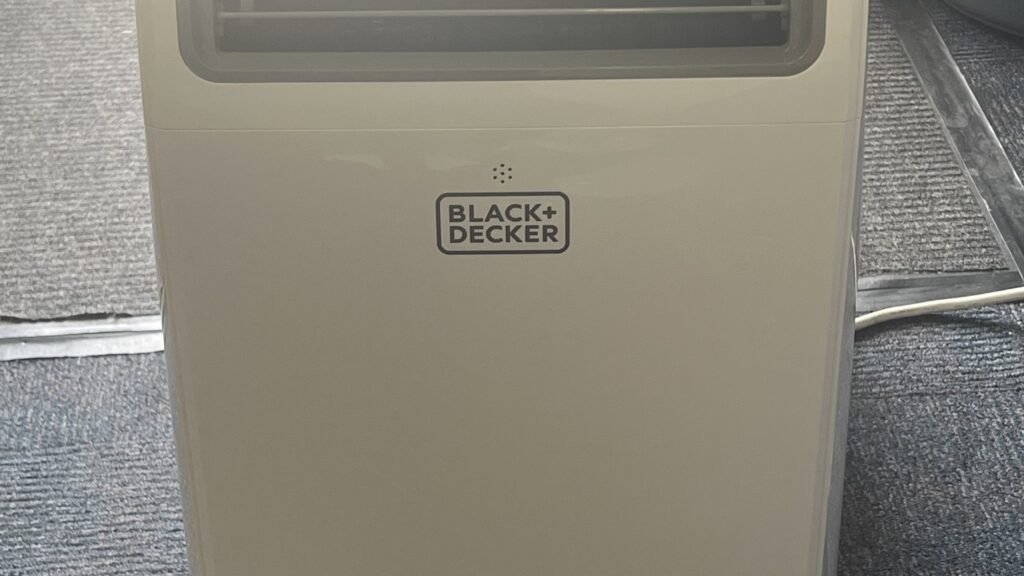
A portable air conditioner is a movable cooling appliance designed to reduce the temperature of an enclosed room. Unlike a traditional split AC, it does not require a permanently installed outdoor compressor unit.
Most portable ACs are designed as a single indoor appliance containing the main cooling components, including a compressor, condenser, evaporator, cooling fan, air filters, temperature controls and an exhaust hose.
The appliance normally stands on the floor and comes with wheels for easier movement. A flexible exhaust hose carries hot air outside through a window, door or another suitable opening.
Portable air conditioners can be useful for rented houses where drilling or permanent installation is not allowed, small apartments and bedrooms, home offices and study rooms, temporary accommodation, rooms where installing a split AC is difficult, and people who need occasional cooling in different rooms.
However, a portable AC still needs proper ventilation through an exhaust hose. It is not completely installation-free.
2. Types of Portable Air Conditioners
Before buying a mobile Klimaanlage, it is important to understand the main types available in the market. Different products may look similar but provide very different cooling performance.
Single-Hose Portable Air Conditioner
A single-hose portable AC uses one exhaust pipe to release hot air outside. It takes air from inside the room, uses it to remove heat from the system and sends the warm air outdoors through the hose.
Advantages: usually more affordable than dual-hose models, easier to find, simple installation, and suitable for smaller rooms when correctly sized.
Disadvantages: it can create negative air pressure inside the room, may pull warm outdoor air through gaps around doors and windows, and can become less efficient in extremely hot conditions. Single-hose models can work well for smaller rooms, but their cooling performance depends heavily on room insulation and outdoor temperature.
Dual-Hose Portable Air Conditioner
A dual-hose portable AC uses two separate hoses. One hose brings outside air into the system to cool the condenser, while the second hose releases hot air outdoors. This arrangement helps prevent negative air pressure inside the room.
Advantages: generally more efficient than comparable single-hose models, less warm outside air is pulled into the room, better suited to demanding cooling conditions, and more consistent cooling.
Disadvantages: often more expensive, requires two hose connections, and can be harder to install in some windows. For Pakistani summers, a dual-hose model can be worth considering if you need regular cooling and can find a suitable model with reliable local support.
Evaporative Air Coolers vs Real Portable ACs
This is one of the most important differences buyers should understand. An evaporative air cooler uses water and a fan to cool the air. It does not use a refrigerant-based compressor system like a real air conditioner.
| Feature | Portable AC | Evaporative Air Cooler |
|---|---|---|
| Cooling method | Refrigeration cycle | Water evaporation |
| Compressor | Yes | No |
| Exhaust hose | Usually required | Not required |
| Humidity | Usually removes moisture | Adds moisture |
| Performance in humid weather | Generally effective | Less effective |
| Temperature control | Thermostat-based | Depends on conditions |
| Electricity use | Generally higher | Generally lower |
Evaporative coolers are more suitable for dry environments with good ventilation. In humid areas, their cooling performance can be disappointing. A real portable AC is generally the better choice when you want to reduce room temperature rather than simply feel cooler from moving air. Always check whether a product has a compressor and refrigerant-based cooling before purchasing it.
3. How Does a Portable Air Conditioner Work?
A portable air conditioner works using the same basic refrigeration principle as a traditional split AC. First, the appliance pulls warm air from the room through an intake grille. This air passes over cold evaporator coils containing refrigerant. The refrigerant absorbs heat from the indoor air, making the air cooler. A fan then circulates the cooled air back into the room.
Meanwhile, the refrigerant carries the absorbed heat towards the condenser. The condenser releases this heat, which is removed from the room through the exhaust hose. The main cooling process involves these steps: warm indoor air enters the appliance, the evaporator absorbs heat from the air, the appliance circulates cooler air back into the room, the condenser transfers heat to the exhaust system, and the exhaust hose releases hot air outside.
Because the appliance also produces heat during operation, the exhaust hose must be installed correctly. If the hose is disconnected or poorly sealed, hot air can return to the room and reduce cooling performance.
4. Cooling Capacity (BTU) and Room-Size Guide
Cooling capacity is one of the most important factors when choosing a portable air conditioner. It is commonly measured in BTU per hour (British Thermal Units). A higher BTU rating generally means the appliance can remove more heat from a room. However, choosing the highest BTU model is not always necessary. The correct capacity depends on room size, ceiling height, sunlight, insulation and the number of people using the room.
Here is a general room-size guide for Pakistani homes:
| Room Size | Suggested Portable AC Capacity |
|---|---|
| Small room (up to 100 sq. ft.) | 8,000-9,000 BTU |
| Medium room (100-200 sq. ft.) | 10,000-12,000 BTU |
| Large room (200-300 sq. ft.) | 12,000-14,000 BTU or higher |
These are approximate starting points, not guaranteed sizing recommendations. Portable ACs may need more capacity than comparable window or split units because of their ventilation arrangements.
Factors that affect cooling capacity include direct sunlight, ceiling height, the number of occupants, electronic appliances and insulation. Rooms with large windows facing the sun become hotter and may require additional cooling capacity. Higher ceilings increase the amount of air that needs cooling, more people generate additional body heat, and poorly insulated walls, windows and doors allow heat to enter more easily. For Pakistani cities with particularly hot summers, avoid choosing a model based only on the room’s square footage.
5. Power Consumption and Running Cost in Pakistan
Electricity consumption is a major concern for Pakistani households, particularly during summer when air conditioners are used for several hours every day. Portable ACs generally consume more electricity than ordinary fans and many evaporative coolers. Their consumption depends on compressor capacity, cooling technology, energy efficiency and operating conditions. As a general indication, many portable ACs in the 8,000-14,000 BTU category may have electrical input ratings around 900-1,500 watts. Actual consumption varies by model, so always check the manufacturer’s rated input.
You can estimate electricity usage with this simple formula: Electricity Units = Power Consumption (kW) x Operating Hours. For example, if an appliance has a rated input of 1.2 kW and operates for eight hours: 1.2 x 8 = 9.6 electricity units. This is an illustrative calculation based on continuous operation. Actual consumption may be lower when the compressor switches off after reaching the selected temperature. To estimate your running cost, multiply the electricity units by your applicable per-unit electricity rate. Check your current electricity bill for the applicable tariff. Taxes, fuel adjustments, slabs and other charges can affect the final bill.
Load shedding is another important issue for buyers in Pakistan. Before purchasing a portable AC, check its rated running wattage and compressor starting requirements, confirm whether your UPS or inverter can support the appliance, make sure the backup system supports the compressor’s starting load, and consider battery capacity and backup duration. Avoid connecting a high-power AC to an unsuitable extension cable. Not every home inverter can operate a portable air conditioner. A properly sized inverter system is necessary, and compressor startup requirements must be considered separately. If your area experiences frequent power interruptions, check backup compatibility before purchasing.
6. Noise Level: What Should You Expect?
Portable air conditioners usually produce more noticeable noise than split ACs because the compressor and other major components are located inside the room. Noise is measured in decibels (dB). The actual sound level depends on the compressor, fan speed, appliance design and installation.
| Noise Level | Expected Experience |
|---|---|
| Below 45 dB | Relatively quiet |
| 45-50 dB | Moderate background noise |
| 50-60 dB | Noticeable operating noise |
| Above 60 dB | Can be loud in quiet rooms |
These ranges are general reference points, not guaranteed ratings for every appliance. If you plan to use a portable AC in a bedroom, check the manufacturer’s noise rating before buying. A sleep mode, low fan setting or programmable timer can make nighttime operation more comfortable. Also remember that a product advertised as having a quiet mode may still produce compressor noise.
7. Portable Air Conditioner Price in Pakistan
Portable air conditioner prices in Pakistan vary considerably depending on the manufacturer, cooling capacity, technology and available features. A basic single-hose portable AC may be positioned differently from a premium dual-hose model. Products with better energy efficiency, digital controls, advanced filtration or additional operating modes may also cost more.
Verified price check on 14 November 2026: on Daraz.pk, a Sogo Portable Air Conditioner 9000BTU was listed at Rs. 130,999. Most other results under a search for portable air conditioner on Daraz on the same day were small USB mini coolers priced from about Rs. 1,699 to Rs. 6,000, or evaporative room coolers from around Rs. 24,840. Those are not compressor-based portable ACs, so their prices should not be compared directly with a real portable AC. A search on Homeshopping.pk on the same day returned no portable air conditioner results. No verified Gree, Haier or Super Asia portable AC price was found in these checks.
So, based on the live listing found, a real portable AC in Pakistan starts from around Rs. 130,999 for a 9,000 BTU model, but availability is limited and prices vary by brand and capacity. Any other price figure should be treated as unconfirmed unless a live listing supports it. Import costs, exchange rates and market demand can also affect prices.
Factors that influence the price include brand reputation and product quality, BTU cooling capacity, single-hose or dual-hose design, energy efficiency, digital display and smart controls, sleep mode and programmable timer, warranty coverage, and availability of spare parts and local service.
Important buying advice: do not rely on old advertisements or outdated product listings. Check live listings from multiple sellers before making a purchase. Compare the complete specifications, warranty conditions and delivery charges rather than choosing an appliance based only on its advertised price.
8. Where to Buy Portable Air Conditioners in Pakistan
Portable ACs may not be as widely available as conventional split air conditioners. Therefore, buyers should compare different types of sellers before making a decision.
Online marketplaces can help you compare different brands, specifications and customer reviews. Check the seller’s reputation, return policy, warranty information and product description carefully. Make sure the advertised appliance is a genuine compressor-based portable AC rather than a water-based air cooler.
Official brand stores and dealers are worth checking because they may offer better warranty support and access to genuine spare parts. Ask whether the warranty covers the compressor and other major components.
Large electronics markets in major Pakistani cities may have imported and locally distributed cooling appliances. Visiting a physical shop gives you an opportunity to inspect the product, ask questions about installation and confirm the accessories included in the package. Before purchasing, confirm that replacement filters, drainage accessories and exhaust hose kits are available.
9. Pros and Cons of Portable Air Conditioners
Advantages: no permanent outdoor unit, which is useful for rented homes and apartments; easy movement, as wheels make it easier to move the appliance between rooms; flexible installation where split AC installation is restricted; real refrigeration-based room cooling; additional functions such as dehumidification, fan settings and timers; and convenient controls such as remote controls and digital displays.
Disadvantages: higher noise, because the compressor operates inside the room; electricity consumption and running costs can be significant during hot weather; limited cooling area, as most models are designed for individual rooms; an exhaust requirement, so a window or another suitable opening is necessary; reduced efficiency, because poor hose installation can allow heat to return indoors; drainage requirements, as some models need periodic water removal; and limited availability, because finding suitable models and local repair services can be difficult.
10. Buying Guide: What to Check Before Purchasing
1. Match BTU capacity with room size. Measure your room before selecting an appliance. Consider the room’s size, sunlight exposure, ceiling height and insulation. Avoid purchasing an underpowered model because it may run continuously without providing comfortable cooling.
2. Check the window and exhaust hose kit. A portable AC needs to release hot air outside. Check whether the package includes an exhaust hose, window sealing kit, hose connectors and installation accessories. Also measure your window opening to confirm that the supplied kit will fit. This is particularly important for rented homes where permanent changes are not allowed.
3. Compare energy efficiency. Look for the manufacturer’s rated power consumption and energy-efficiency information. A model with better efficiency may help reduce electricity expenses over long operating periods. Do not assume that a higher BTU rating automatically means higher efficiency. Compare cooling output with electrical input where reliable information is available.
4. Check warranty and after-sales service. Warranty support is especially important for compressor-based appliances. Before purchasing, confirm the compressor warranty, complete appliance warranty, availability of authorized repair services, spare parts availability and warranty claim procedure. Imported appliances without reliable local support can become difficult and expensive to repair.
5. Understand drainage requirements. Portable ACs remove moisture from indoor air, which may collect inside the appliance. Some models evaporate most of the collected moisture through the exhaust system. Others require manual drainage or a continuous drain connection. Check the drainage design and whether a drain hose is included. This is particularly important if you plan to operate the AC overnight.
6. Check portability and wheels. A portable AC should be reasonably easy to move. Look for strong wheels, practical handles and a manageable appliance weight. Remember that the exhaust hose must be reconnected whenever you move the appliance to another room.
7. Look for remote control and timer. A remote control allows you to adjust temperature and fan speed without getting up. A programmable timer can help you control operating hours, while sleep mode may improve nighttime comfort. Some premium models also offer smart controls, but these features should not be more important than cooling performance.
8. Compare noise ratings. If you intend to use the appliance in a bedroom, pay particular attention to its operating noise. Check the manufacturer’s published dB rating and read customer feedback about real-world compressor noise. A quieter model may be worth considering even if it costs more.
11. Frequently Asked Questions (FAQs)
Q1. Is a portable air conditioner suitable for Pakistani summers?
Yes, a properly sized portable AC can cool an enclosed room during Pakistani summers. However, its performance depends on cooling capacity, room insulation, outdoor temperature and exhaust hose installation. For extremely hot conditions, choose a model with sufficient cooling capacity.
Q2. Does a portable AC need an exhaust pipe?
Most compressor-based portable air conditioners require an exhaust hose to release hot air outside. Without proper ventilation, heat remains inside the room and cooling performance decreases.
Q3. Can I use a portable air conditioner in a rented house?
Yes. Portable ACs are useful for rented homes because they generally do not require permanent outdoor unit installation. You only need a suitable opening for the exhaust hose. A window sealing kit can help avoid permanent modifications.
Q4. How much electricity does a portable AC consume?
Electricity consumption depends on the model’s wattage and daily operating hours. Check the rated input on the product label and multiply its kilowatt rating by the number of operating hours to estimate electricity units.
Q5. Is a portable AC better than an air cooler?
A portable AC provides refrigeration-based cooling and can reduce room temperature. An evaporative cooler uses water evaporation and performs best in dry environments. In humid conditions, a real portable AC is generally the more suitable option.
Q6. Can a portable AC run on a UPS or solar system?
It depends on the inverter’s capacity, battery storage and the AC’s running and starting power requirements. Many ordinary UPS systems cannot handle compressor startup loads. Check compatibility with a qualified electrician before connecting the appliance.
12. Conclusion
A portable air conditioner (mobile Klimaanlage) can be a practical cooling solution for Pakistani households that cannot install traditional split AC systems. It is particularly useful for rented homes, apartments, small bedrooms and temporary accommodation.
However, buyers should understand that portable ACs are not completely installation-free. They require proper exhaust ventilation, suitable cooling capacity and an appropriate electricity supply.
Before purchasing, compare single-hose and dual-hose designs, check BTU ratings, calculate potential electricity consumption and confirm local warranty support. For households experiencing frequent load shedding, inverter and backup compatibility should also be considered. Most importantly, choose a genuine compressor-based portable air conditioner instead of an evaporative cooler if your main goal is to reduce room temperature.
A well-chosen model can provide convenient room cooling without requiring the permanent installation of a traditional air conditioning system.